
Wastewater
DOD Labs offers comprehensive PFAS testing kits for non-potable/wastewater analysis.
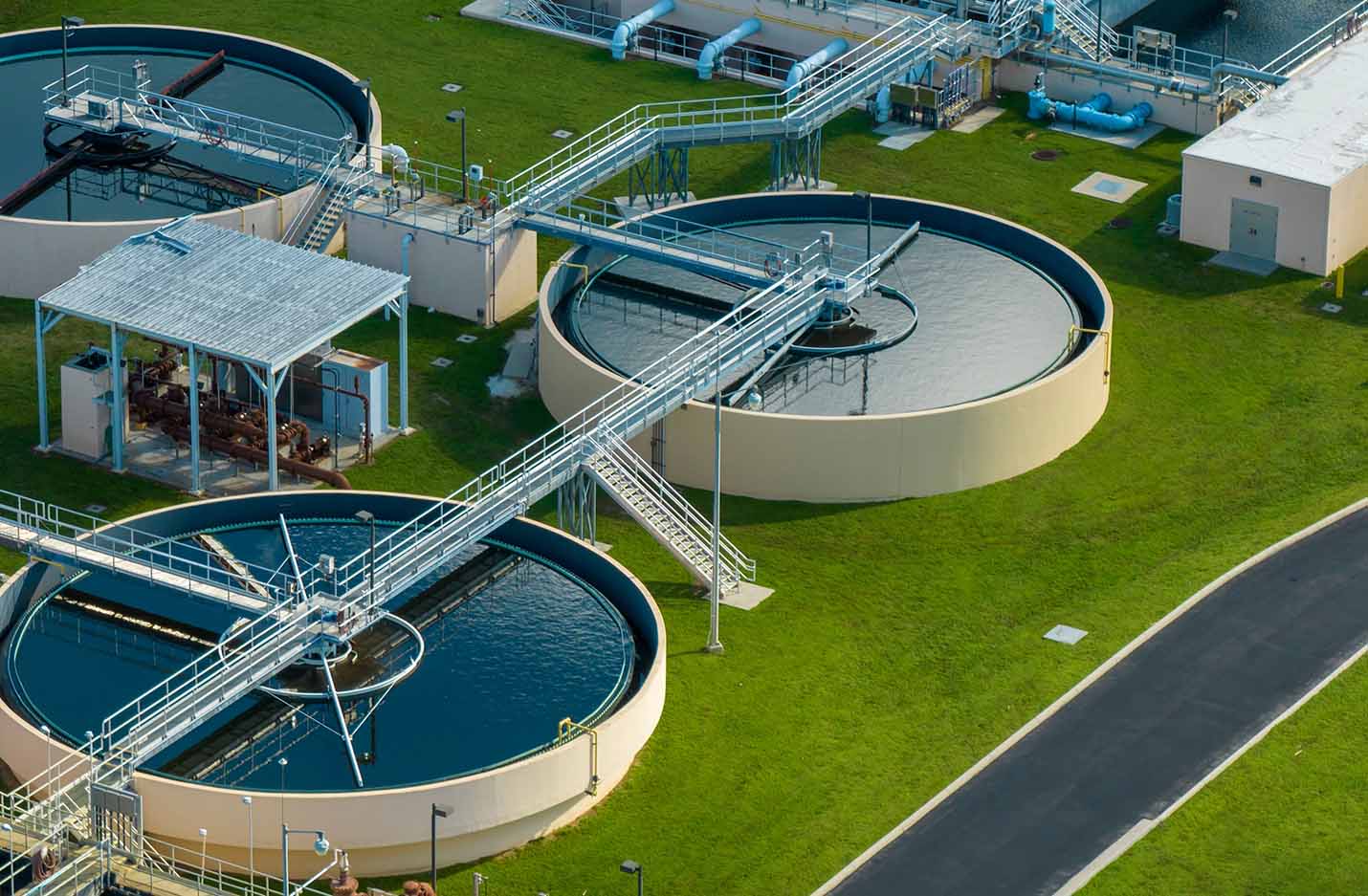
PFAS Testing for Industrial Wastewater and Discharge Streams
Per- and polyfluoroalkyl substances (PFAS) are a large group of synthetic chemicals with chemical and physical properties that have been linked to cancer and other serious health and environmental concerns. PFAS chemicals resist degradation and are sometimes called "forever chemicals." As a result, limiting their use and preventing pollution is critical to reducing their impact on human health.
Since wastewater is a major conduit for PFAS transmission, reliable and accurate testing processes play an important role in addressing safety risks.
DOD Labs offers comprehensive PFAS testing kits for non-potable and industrial wastewater analysis. Our convenient kits make it easy to collect samples and receive a detailed lab analysis performed by professional lab technicians.
Learn more about the presence of PFAS chemicals in industrial wastewater and discharge streams and non-potable water, how EPA 1633 analysis provides valuable insight for industrial facilities, and how DOD Labs’ PFAS testing services help organizations take strategic action based on data.
PFAS in Industrial Wastewater, Discharge, and Non-Potable Streams
Many manufacturing and chemical production operations discharge untreated wastewater into public treatment facilities. Unfortunately, not all of these treatment operations are designed to treat wastewater for PFAS content, which means nearby waterways and soil can become contaminated easily.
Humans and animals can be exposed to PFAS from consuming contaminated fish, foods grown in soil fertilized with contaminated biosolids, or ground and surface water. The only way to understand and counteract current levels of PFAS contamination is to sample and test wastewater.
Industrial Discharge Considerations
While there are currently no federal regulations about monitoring wastewater for PFAS, it is unlawful to discharge pollutants into the waters of the United States. The EPA and state agencies can conduct compliance inspections at any facility that is required to be maintained under the Clean Water Act (CWA) § 308. Facilities must also comply with applicable state and local testing standards.
EPA Method 1633 for PFAS Wastewater Testing
Method 1633 is an EPA-defined procedure for using Liquid chromatography-tandem mass spectrometry to test for 40 PFAS compounds in samples such as:
- Wastewater.
- Surface water.
- Groundwater.
- Soil.
- Biosolids.
- Sediment.
- Landfill leachate.
Method 1633 testing is the recommended testing method for National Pollutant Discharge Elimination System (NPDES) permitting under the Clean Water Act, and is an important tool for monitoring non-potable water and environmental materials.
Expanded Analyte Coverage for Complex Samples
EPA Method 1633 provides broad and comprehensive PFAS analysis by identifying 40 PFAS analytes, including compounds previously covered under EPA Methods 533 and 537.1, as well as additional legacy and emerging PFAS chemicals. As scientific understanding of PFAS behavior, persistence, and health impacts continues to evolve, this expanded analyte coverage is critical for detecting chemicals that may not have been historically monitored. Method 1633 enables facilities and regulators to better understand both established PFAS contaminants and newly emerging compounds, supporting more informed environmental monitoring, risk assessment, and compliance efforts across complex sample matrices.
Detection Limits and Data Reliability
Accurate PFAS testing requires precise sampling and careful avoidance of contamination. Our PFAS testing kits provide detailed instructions, sanitary rubber gloves, and collection bottles specially designed for easy and error-free sample collection with minimal chance of contamination.
Method 1633 testing can detect extremely low levels of PFAS chemicals, usually less than 10 parts-per-trillion by volume for liquids and less than 0.1 part-per-billion by mass for solids. To be considered reliable, data must come from labs that meet validated quality standards.
Sample Handling and Chain of Custody
PFAS testing kits from DOD Labs contain everything needed to collect samples and submit them for testing, including collection bottles, sanitary rubber gloves, collection instructions, and a chain of custody form. Simply return samples in the pre-paid, reusable shipping container the test kits arrived in. The design of the bottles and shipping container minimize the risk of contamination during transport and handling.
Chain of custody documentation is critical for results to be considered valid. This includes, but may not be limited to:
- Signature of the person(s) who collected the sample(s).
- Signatures of anyone who took custody of the samples.
- Dates and times of sample collection.
- The name and type of sample (i.e., wastewater, biosolids, sediment, etc.).
- Verification that samples were maintained at below 6 C (but not frozen).
Ensuring Defensible Laboratory Results
All PFAS wastewater tests are conducted in our state-of-the-art laboratory by dedicated technicians. You will be notified immediately when your results are ready and provided with a detailed analytical report.
Reporting for Compliance and Planning
Our PFAS reports examine analytes measured in parts per trillion, based on limits of qualification. When expanded targeting is necessary, DOD Labs can test for additional PFAS target analytes.
Use in Permits, Audits, and Treatment Evaluation
Our detailed analytical reports can be used for wastewater maintenance reporting, permitting requirements, and making informed decisions for future treatment plans. We have test kits available for EPA reporting and short-chain chemical testing.
DOD Labs Supports Accurate PFAS Testing Across Industries
As the science of PFAs and their long-term impact on the environment continues to evolve, so does the regulatory status of these materials and strategies to manage them. At DOD Labs, our user-friendly testing kits and state-of-the-art facilities make it easy to obtain comprehensive results you can trust, in as little as two days.
Contact us to learn more about our test kits for PFAS chemicals in industrial wastewater and discharge streams.