
Landfill / Leachate
DOD Labs offers comprehensive PFAS testing kits for Landfill / Leachate analysis.
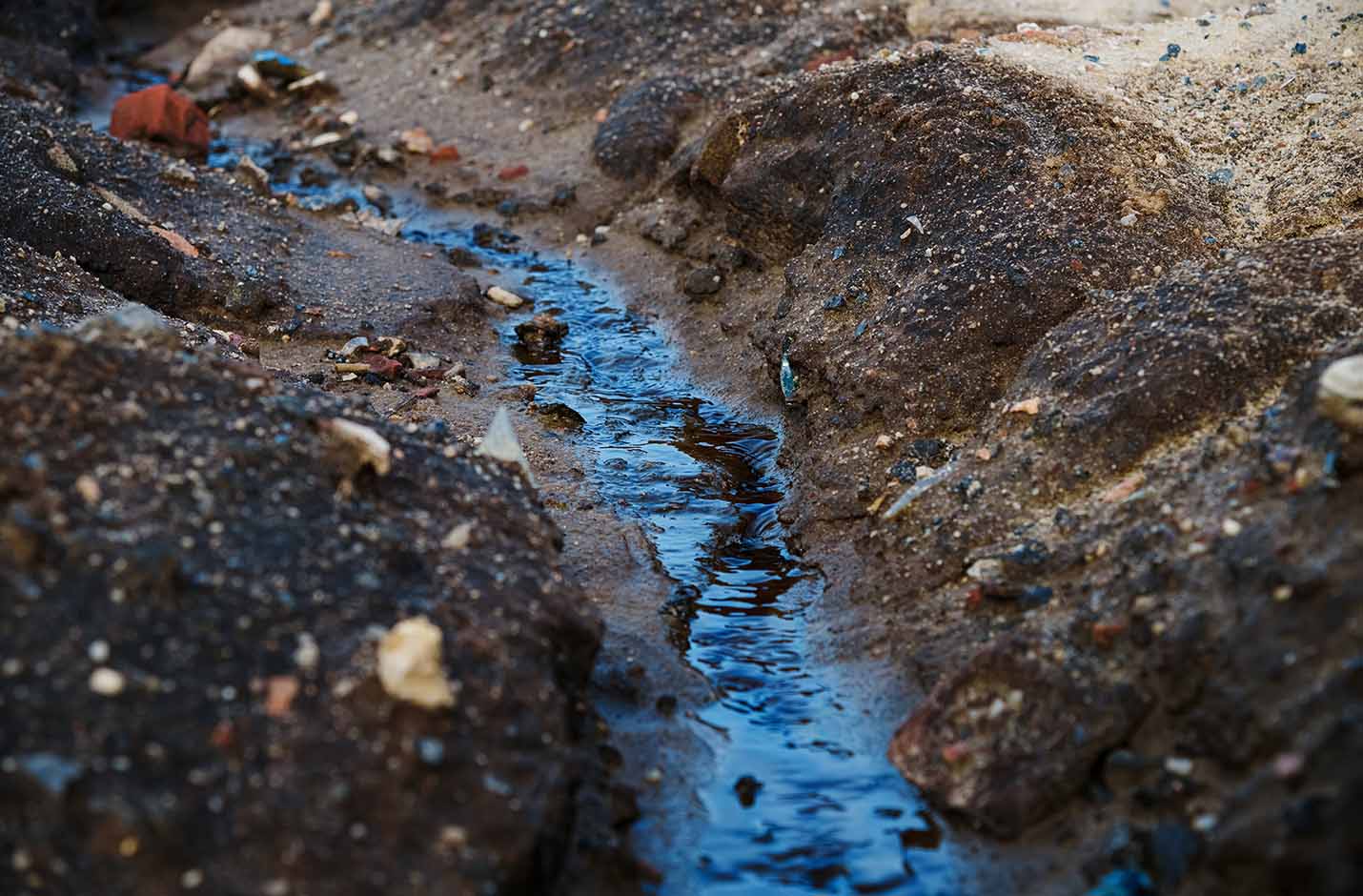
PFAS Testing for Landfill and Leachate Analysis
Landfills act as long-term reservoirs for per- and polyfluoroalkyl substances (PFAS), concentrating these "forever chemicals" as waste products degrade and generate leachate. PFAS leachate testing has therefore become a critical aspect of landfill monitoring programs — especially for programs requiring strict adherence to environmental controls and regulatory compliance.
PFAS Accumulation in Landfill Leachate
Landfill PFAS analysis must target both legacy long-chain compounds and emerging ultra-short-chain PFAS that migrate readily through liners and treatment systems. Laboratories are responsible for adhering to EPA-approved testing standards while maintaining strict chain-of-custody procedures sufficient to withstand regulatory and legal scrutiny.
As regulators phase out the sale and manufacture of PFAS, defensible risk assessment and remediation planning are essential for landfills and other leachate fields. That's why an effective modern testing program should emphasize the following:
- Comprehensive compound coverage across long-, short-, and ultra-short-chain PFAS
- EPA-aligned analytical methods suitable for complex leachate matrices
- Documented chain-of-custody to preserve data integrity from collection through reporting
Environmental And Regulatory Risk Factors
PFAS persistence and mobility introduce significant risks for landfill operators and downstream receptors. Regulatory agencies increasingly scrutinize leachate discharge permits, pretreatment agreements, and off-site disposal practices. Environmental consultants rely on PFAS environmental testing results to quantify liability exposure, model transport pathways, and prioritize control strategies before contamination escalates.
EPA Method 1633 Leachate Testing
EPA Method 1633 now serves as the primary analytical framework for PFAS in aqueous matrices, including landfill leachate. The method supports isotope dilution techniques and expanded analyte lists, allowing consistent detection across diverse compound classes. For compliance teams, Method 1633 delivers a standardized benchmark that regulators recognize and accept for reporting and enforcement decisions.
When reviewing a tolerance-style data package from Method 1633, professionals should expect:
- Quantitative results across a broad PFAS analyte list
- Method detection limits appropriate for complex, high-strength leachate
- Quality control elements that validate precision, accuracy, and repeatability
Long-Chain And Ultra-Short-Chain PFAS Detection
Long-chain PFAS often bind to solids, while ultra-short-chain PFAS remain highly mobile and evade conventional treatment. Method 1633 detects both conditions, providing a single landfill PFAS analysis that reflects real transport risk, instead of partial compound snapshots. Dual visibility in a single test also helps accelerate long-term management decisions.
Sample Collection And Laboratory Controls
Accurate PFAS data begins well before laboratory analysis. Field collection practices must prevent cross-contamination and analyte loss, especially in chemically aggressive leachate. Because PFAS are pervasive in many consumer products, strict adherence to validated sampling procedures is essential to maintain data integrity.
DOD Labs provides detailed PFAS-specific sampling instructions and certified collection materials to support proper sample collection by client personnel or their designated representatives. Data quality and defensibility depend on consistent execution of these procedures, including:
- Use of PFAS-free sampling materials verified through laboratory blanks
- Controlled handling practices that minimize exposure to common PFAS-containing sources
- Compliance with temperature control and holding-time requirements throughout transport
Handling High-Risk Environmental Samples
Landfill leachate often contains high organic load, salts, and co-contaminants that challenge analytical performance. Laboratories experienced with high-risk environmental samples apply cleanup steps and matrix-specific controls that protect data quality without masking true PFAS concentrations.
Data Use For Risk And Remediation Planning
Operators and consultants use validated leachate data to guide treatment selection, evaluate off-site disposal options, and support regulator negotiations. A clear understanding of concentration trends over time also helps distinguish episodic spikes from systemic release.
Most practically, decision-makers often rely on test data to:
- Compare leachate concentrations against regulatory thresholds and advisories.
- Assess treatment system performance and breakthrough risk.
- Prioritize source control or remediation investments.
Supporting Environmental Consultants And Operators
Consultants often translate PFAS environmental test data into models, reports, and corrective action plans. Landfill operators depend on robust documentation to demonstrate due diligence, manage compliance exposure, and communicate transparently with oversight agencies.
Defensible PFAS Data For High-Scrutiny Environments
Modern landfill and leachate management requires precise, defensible PFAS data that supports confident decision-making. DOD Labs delivers PFAS leachate testing rooted in EPA-aligned methods, rigorous quality control, and real-world experience with complex environmental matrices.
Our analytical approach helps landfill operators, consultants, and compliance teams manage risk, plan remediation, and meet regulatory expectations during some of the most heavily scrutinized environmental challenges. Contact us to discuss your sampling or analytical needs and learn more about our commitment to advanced testing standards.